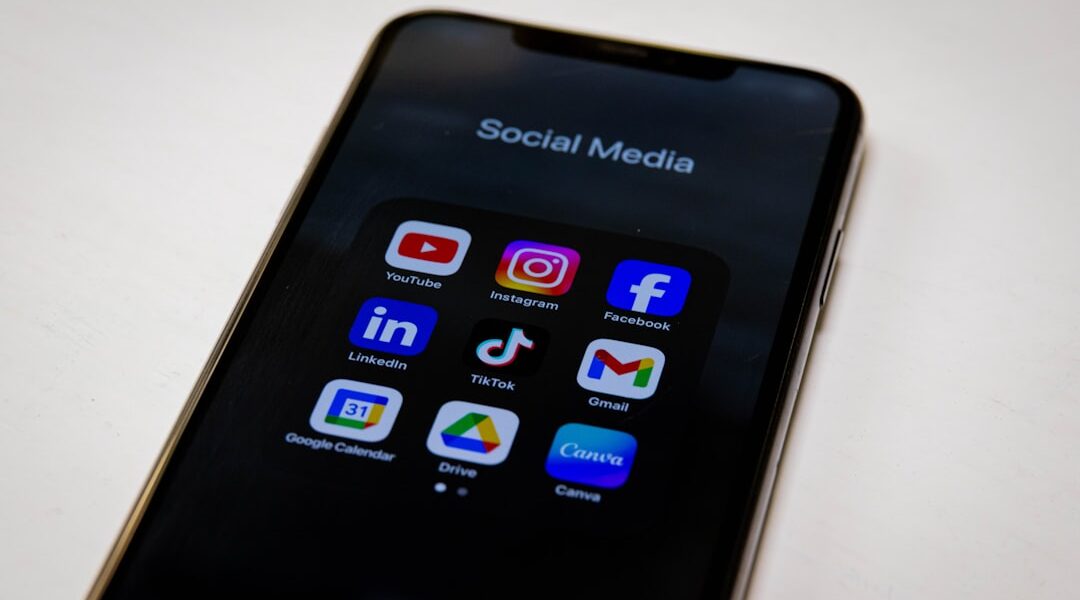
The debate over smartphones and mental health has been fierce, polarised, and often more driven by moral panic than evidence. On one side: researchers warning of a global mental health crisis among youth fuelled by social media. On the other: scientists arguing the effect sizes are trivial and the data is weak. The truth, as is usually the case, is more nuanced — and more actionable.
What the Research Actually Shows
A landmark 2023 paper in Nature by Jean Twenge and colleagues found significant associations between heavy social media use (5+ hours/day) and depression, anxiety, and loneliness in adolescents — particularly girls. But effect sizes, while statistically significant, are modest: equivalent to wearing glasses or eating potatoes in terms of variance explained in wellbeing.
However, experimental studies — where young people actually reduce social media use — show more compelling results. A 2022 RCT in the Journal of Experimental Psychology found that limiting social media to 30 minutes/day significantly reduced loneliness and depression after three weeks. This matters: correlational studies underestimate causation.
Who Is Most at Risk?
- Adolescent girls — most affected, likely due to social comparison and appearance-focused content
- Children under 13 — whose identity and social skills are still forming
- Those with pre-existing anxiety or depression — for whom social media can amplify rumination
- Passive consumers — scrolling without engagement is more harmful than active interaction
The Mechanisms: How Smartphones Affect the Mind
- Social comparison: Curated highlight reels create unrealistic standards
- Intermittent variable reward: The same dopamine mechanism as slot machines — notifications create compulsive checking
- Displacement: Phone time displaces sleep, exercise, and face-to-face interaction — all of which protect mental health
- Cyberbullying: Online harassment is a significant risk factor for depression and suicidality in adolescents
A Evidence-Based Digital Wellbeing Framework
- No phones in bedrooms after 9 PM
- Screen-free mealtimes for the entire family
- Follow accounts that inspire and educate — unfollow those that trigger comparison or distress
- Use app timers to create natural stopping points
- Schedule “device-free” outdoor time daily
⚠️ Medical Disclaimer: This article is for educational purposes. If you or your child is experiencing significant mental health difficulties, please seek professional support.



Leave a Comment