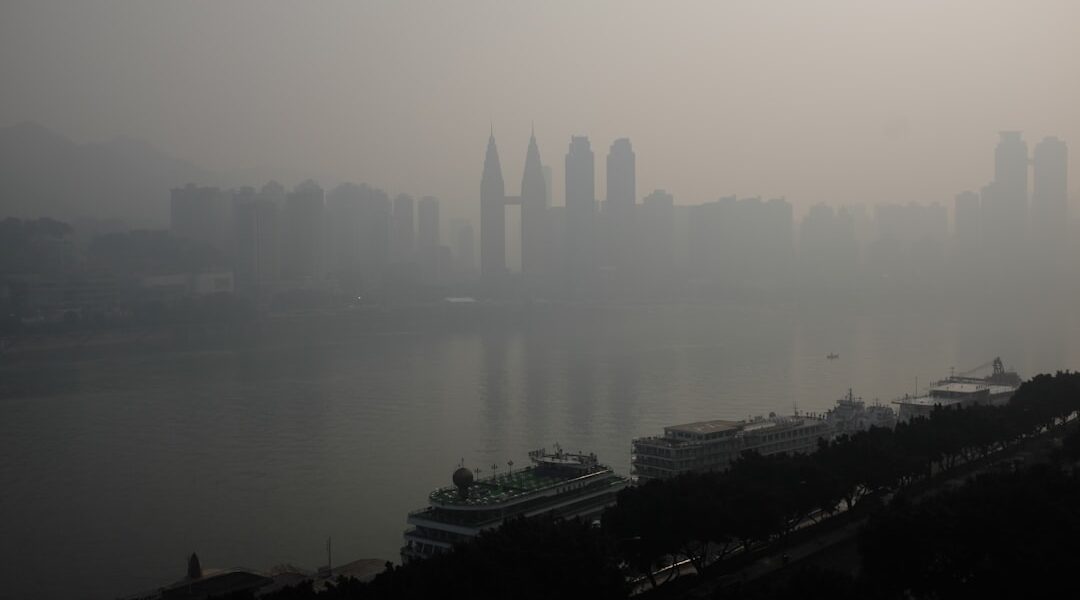
Step outside in Delhi in November. The air smells of burning, hangs thick and grey, and irritates your eyes within minutes. The AQI regularly crosses 400 — “hazardous” territory where every breath delivers microscopic particles directly into the bloodstream. But this is not just Delhi’s problem. India is home to 39 of the world’s 50 most polluted cities. Air pollution kills approximately 1.67 million Indians every year — the highest number in any country.
Understanding Pollutants: What You’re Breathing
- PM2.5: Particles smaller than 2.5 micrometres — the most dangerous. Small enough to penetrate deep into the alveoli, enter the bloodstream, and reach every organ. Primary driver of pollution-related disease.
- PM10: Larger particles — cause upper respiratory irritation, less systemic harm
- Ozone (O₃): Ground-level ozone irritates airways and worsens asthma
- Nitrogen dioxide (NO₂): From vehicle exhaust — promotes airway inflammation
- Carbon monoxide (CO): From combustion — binds haemoglobin, reducing oxygen delivery
The Organs Affected: A Whole-Body Assault
- Lungs: Chronic obstructive pulmonary disease (COPD), lung cancer, reduced lung function
- Heart: Heart attacks, arrhythmias, heart failure — PM2.5 triggers systemic inflammation and clotting
- Brain: Stroke, cognitive decline, dementia — emerging evidence links PM2.5 to Alzheimer’s pathology
- Kidneys: Chronic kidney disease worsened by pollutant deposition
- Pregnancy: Low birth weight, preterm birth, gestational diabetes
- Children: Reduced lung development, lower IQ, increased ADHD risk
Practical Protection Strategies
- Wear N95 (not surgical) masks on high-pollution days — AQI above 150
- Check AQI apps (SAFAR, AQI India) before outdoor exercise
- Keep windows closed and use air purifiers with HEPA filters indoors on high-pollution days
- Avoid burning garbage, leaves, or crop residue
- Plant air-purifying indoor plants (peace lily, areca palm)
- Support systemic solutions — cleaner transport, clean cooking, renewable energy
⚠️ Medical Disclaimer: People with pre-existing respiratory or cardiovascular conditions should consult their doctor for specific guidance on air pollution exposure management.
Leave a Comment