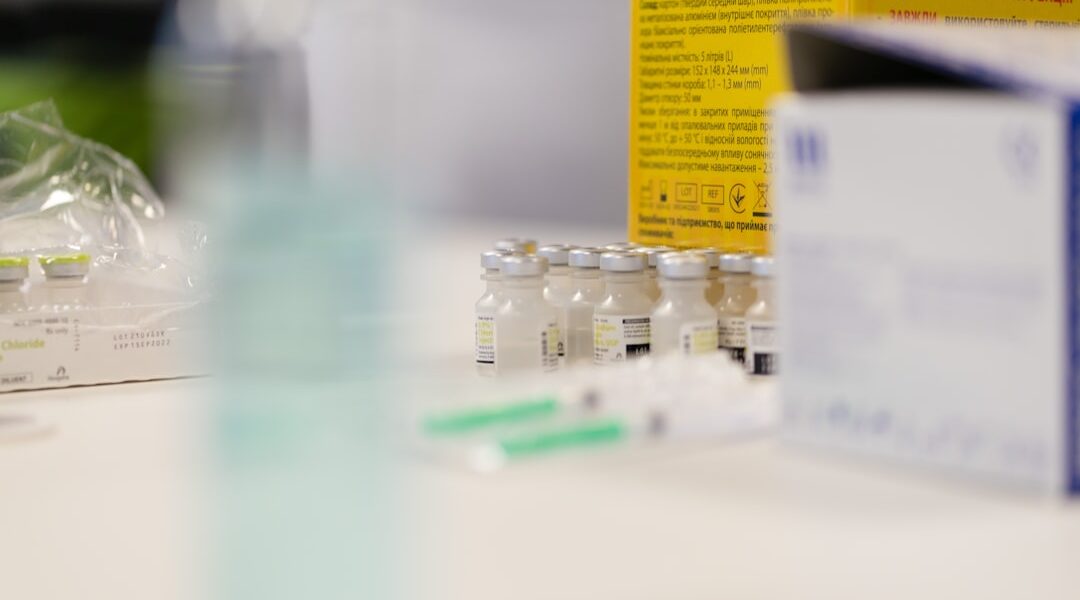
The global measles crisis of 2026 is not a theoretical future; it is an impending public health catastrophe unfolding in real-time across vulnerable communities. Hundreds of thousands of children worldwide face the devastating consequences of a vaccine-preventable disease, demanding immediate and decisive global action from policymakers and health systems.
This scale of preventable suffering requires us to understand why current immunization strategies are failing and what systemic changes are necessary to protect the next generation. As a public health professional, I see the stark reality that this is not merely a medical problem, but a failure of global coordination and access.
Key Takeaways
- The 2026 projection represents an alarming resurgence of measles, driven by vaccine hesitancy and fragmented public health responses.
- The burden of measles remains disproportionately high in low-resource settings across South Asia and Sub-Saharan Africa.
- Understanding the failure of immunization programs is the first step toward mitigating the future measles crisis.
- Effective response requires strengthening surveillance, rebuilding public trust, and ensuring equitable vaccine delivery.
Context: The Failure of Preventable Health
Measles is a highly contagious viral infection that causes severe respiratory illness and, in vulnerable populations, can lead to fatal complications, including pneumonia, encephalitis, and death. Although vaccines have provided remarkable protection, recent trends indicate a worrying decline in routine immunization rates across many regions. Because of this decline, the conditions necessary for measles outbreaks are being met globally.
The context of the 2026 projection involves a complex mix of factors. First, there is the erosion of public trust in established medical institutions, which directly feeds vaccine hesitancy. Second, there is the disruption of routine immunization schedules, often caused by conflicts, economic instability, or inadequate healthcare infrastructure. Furthermore, the emergence of novel variants and the spread of misinformation have complicated public health efforts, making control significantly harder than in previous years.
Magnitude: The Scale of the Measles Crisis
The magnitude of the potential measles crisis is staggering when viewed through the lens of global health metrics. According to the World Health Organization, there are projected to be millions of measles cases and deaths globally by 2026, primarily affecting children under five years of age. The burden of disease is highly concentrated in low-income countries, where immunization coverage is lowest. For instance, data from the Global Burden of Disease estimates that measles causes significant years of life lost and Disability-Adjusted Life Years (DALYs) in regions like India and parts of Sub-Saharan Africa.
The mortality rate associated with measles remains preventable. When adequate vaccination is available, the fatality rate can be drastically reduced. However, the lack of comprehensive coverage means that communities are highly vulnerable. As researchers published in the Lancet, the lack of consistent, high-coverage vaccination programs creates environments where outbreaks can rapidly escalate into widespread health emergencies. This highlights how essential consistent public health infrastructure is to preventing large-scale crises.
Evidence: Understanding Transmission and Gaps
The evidence clearly demonstrates that measles transmission is directly linked to low vaccination coverage. Epidemiological studies consistently show that when immunization rates drop below 95 percent, the risk of large outbreaks increases dramatically. For example, data reviewed by the Centers for Disease Control and Prevention demonstrates that gaps in vaccine coverage allow the virus to circulate unchecked.
A critical finding from studies analyzing outbreak responses is that delayed or fragmented public health interventions exacerbate the problem. Researchers noted that effective containment requires not just vaccination, but also rapid contact tracing and community-level engagement. My experience in public health outreach confirms that managing a measles crisis requires more than just clinical measures; it requires addressing social and behavioral determinants. For more details on the systemic issues behind this, please read the Medical Disclaimer.
Efficacy: Assessing the Vaccine’s Promise and Peril
The measles vaccine is one of the most successful public health interventions in history. It has provided profound protection against a deadly disease. The efficacy of the vaccine is extremely high when administered according to established protocols. However, the current crisis forces us to re-evaluate the barriers to vaccination. The primary challenge now is not the vaccine itself, but ensuring equitable access and overcoming the growing resistance to proven public health measures.
When we look at the efficacy of prevention strategies, we see that robust systems are the most effective tool. The failure to achieve universal coverage means that the vaccine’s potential efficacy is wasted in specific communities. We must look at how health systems in India and other regions can better distribute resources and information to ensure every child receives the protection they need. This calls for a systems-level approach rather than focusing solely on clinical outcomes.
Facilitation: Building a Resilient System
Addressing the looming measles crisis requires immediate action at the policy level. Policymakers must prioritize strengthening routine immunization systems, ensuring vaccine supply chains are robust, and establishing clear, trusted communication channels to combat misinformation. What needs to be done now is a coordinated effort to restore confidence and close immunization gaps.
Public health systems must focus on strengthening surveillance networks to detect outbreaks early. Furthermore, community health workers need the training and resources to engage with hesitant communities effectively. We must invest in education programs that are culturally sensitive and accessible, ensuring that accurate information about immunization is available to everyone. This is the only way to build the resilience required to prevent future pandemics and crises.
The challenge ahead is immense, but by focusing on systemic resilience and equitable access, we can steer away from this crisis. The focus must shift from simply reacting to outbreaks to proactively building a world where every child has access to the health protection they deserve.
This article is for educational purposes only and does not constitute medical advice, diagnosis, or treatment recommendations. Consult a qualified healthcare provider for any health concerns. See our Medical Disclaimer.
Sources:
Bhutta et al., The Lancet, 2014
World Health Organization (WHO) Reports on Immunization Coverage
Global Burden of Disease Study data



Leave a Comment