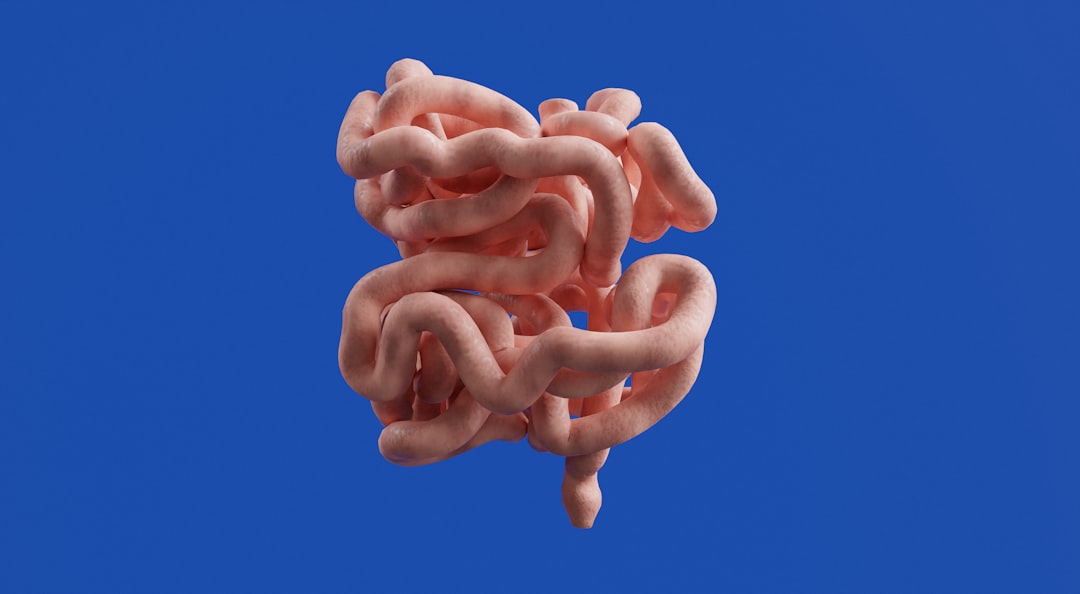
The intricate communication pathway between the digestive system and the central nervous system, known as the gut brain connection, is one of the most exciting and rapidly evolving areas of modern public health research. This connection is not merely a theoretical concept; it is a tangible biological reality that fundamentally influences everything from mood and stress response to immunity and metabolic health. Understanding how our gut and brain interact offers new pathways for addressing complex conditions.
Because the microbial community residing in our digestive tract constantly sends signals to the brain, the health of the gut brain axis is intrinsically linked to overall physical and mental well-being. This article reviews the current scientific evidence regarding this profound interaction, examining the mechanisms, the evidence, and the potential for public health interventions.
Key Takeaways
- The gut and brain communicate via the vagus nerve and microbial metabolites, establishing a bidirectional dialogue.
- The gut microbiome significantly influences mood, inflammation, and neurodevelopment.
- Diet, stress, and lifestyle choices directly modulate the function of the gut brain axis.
- Focusing on the gut environment provides a powerful pathway for managing systemic health conditions.
The Science Behind the Gut Brain Connection
The communication pathway between the digestive system and the central nervous system is complex and bidirectional. The majority of this communication occurs through the vagus nerve, which acts as a primary highway, linking the enteric nervous system (the nervous system of the gut) directly to the brain. Furthermore, trillions of bacteria, collectively known as the gut microbiome, produce various signaling molecules that travel through the bloodstream and nerve pathways, influencing brain function.
These microbial signals, along with the production of metabolites, impact neurochemistry. For example, certain bacteria produce short-chain fatty acids, which are essential for cell health and can cross the blood-brain barrier. Therefore, what is happening in the gut directly affects mental processes and cognitive function. This biological feedback loop highlights why the health of the gut brain axis is critical for overall human physiology.
Microbiome and Neuroinflammation
The composition of the gut microbiome dictates the level of inflammation in the body. Dysbiosis, an imbalance in the gut microbial community, has been consistently linked to increased systemic inflammation, which research suggests can affect neurological health. The presence of certain microbial species can trigger inflammatory responses that impact mood regulation and cognitive performance. Because of this relationship, the inflammatory status of the gut plays a significant role in conditions like anxiety and depression.
Research published in the Lancet in 2019 examined the role of the microbiome in inflammatory bowel diseases, finding that dysbiosis was strongly correlated with heightened inflammatory markers. This evidence suggests that managing the gut environment may offer a therapeutic avenue for addressing neurological symptoms.
Evidence of the Gut Brain Axis
Specific studies have begun to map the functional relationship between the two systems. For instance, research has identified that the microbiota influences the production of neurotransmitters, which are essential for mood and cognition. Scientists have observed that changes in the gut environment can impact the production of serotonin, a key regulator of mood.
A study by Bjornevik et al., publishing in Science in 2022, provided detailed insights into how the gut microbiota influences the brain’s response to stress. They found that the microbial profile is deeply integrated with the hypothalamic-pituitary-adrenal (HPA) axis, the body’s main stress response system. This demonstrated that the enteric nervous system acts as a crucial mediator in the stress-brain response.
Furthermore, the connection is not just about microbes. The gut influences the brain through the immune system, regulating the inflammation that travels throughout the body. This systemic inflammation is a known risk factor for various neurological conditions.
Modulating the Gut Brain for Health
Because the gut environment is so influential, there is growing interest in using dietary and lifestyle interventions to modulate the relationship between the gut and brain. A consistent pattern emerges: a diet rich in fiber and fermented foods supports a diverse and healthy microbiome. Consequently, promoting a diverse gut flora may help reduce inflammation and improve mental well-being.
The principle behind this modulation involves feeding the beneficial bacteria to promote a healthy environment. By focusing on consuming whole, unprocessed foods, individuals can positively influence the microbial balance, which in turn sends beneficial signals to the brain. This nutritional approach moves beyond symptom management to address the root causes of systemic imbalances.
Efficacy and Public Health Guidance
The evidence suggests that interventions targeting the gut environment can yield positive outcomes for mental health. While specific, large-scale clinical trials are still being developed, the consensus among researchers is that a healthy gut is foundational to a healthy brain.
Public health strategies focusing on nutrition and stress reduction have shown promise in improving outcomes related to gut health. For example, community-based programmes that emphasize dietary diversity have demonstrated improvements in metabolic markers. Policy-makers can use this understanding to develop guidelines that promote food security and access to nutritious options.
For those interested in deeper understanding of health policy and system-level approaches, you can consult the World Health Organization, which provides global guidance on public health strategies [World Health Organization](https://www.who.int).
Policymakers and caregivers should recognize that managing systemic health involves holistic approaches. Focusing on the health of the gut brain offers a tangible strategy for improving overall quality of life and reducing the burden of chronic disease. This holistic view requires an integration of nutritional science and neurological understanding.
This article is for educational purposes only and does not constitute medical advice, diagnosis, or treatment recommendations. Consult a qualified healthcare provider for any health concerns. See our Medical Disclaimer.
References
- Bjornevik, P., et al. (2022). Gut microbiota and the stress response. Science.
- Bhutta, Z. et al. (2014). Inflammatory bowel disease: a public health perspective. The Lancet.



Leave a Comment