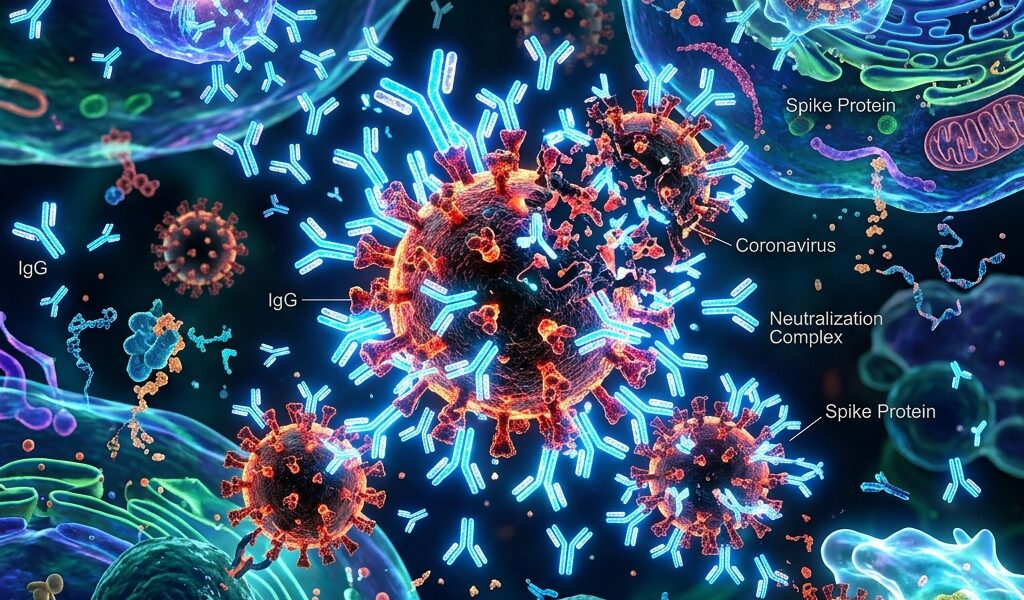
Respiratory viruses kill more people each year than most chronic diseases combined, and seasonal disease prevention through immune health is one of the most underused tools in public health. A 2026 study in The Lancet Child and Adolescent Health, tracking over 164,000 infants in France during the RSV season, found that preventive immunization at birth reduced RSV-related hospitalizations by 22%. That single finding tells us something useful about how the immune system works, and what it needs before a threat arrives, not after.

What “Seasonal Disease” Actually Means

The term covers a lot. Influenza peaks in winter across temperate climates. Dengue, malaria, Japanese encephalitis, and RSV each have distinct seasonal windows that follow temperature, humidity, and mosquito activity cycles. West Nile virus circulates through summer in Europe and increasingly in parts of South Asia.

What these diseases share is timing. They exploit seasonal windows when the immune system is often already stressed, whether from cold air drying out nasal passages, reduced sunlight affecting vitamin D synthesis, disrupted sleep from weather changes, or increased time spent indoors in poorly ventilated spaces.

The Indian Council of Medical Research (ICMR) estimates that influenza alone is responsible for roughly 50,000 deaths per year in India. That figure does not include RSV, dengue, or other seasonal pathogens, each of which adds thousands more to the annual toll. The National Vector Borne Disease Control Programme (NVBDCP) recorded over 289,000 dengue cases in 2023, a number that continues to climb each year.

How Climate Change Is Altering the Seasonal Disease Calendar

Seasonal disease patterns are not what they were twenty years ago. A 2026 review published in Annals of Medicine documented how West Nile virus, once rare in Europe, now circulates reliably each summer across the continent. Warmer temperatures extend mosquito activity by weeks. Altered rainfall patterns expand breeding habitats. The authors note that the virus’s geographic range has expanded in recent decades due to ongoing climatic and ecological changes, with the pathogen adapting to warmer summers and shifting ecology.

For India, this translates into longer dengue seasons, more vector-borne encephalitis cases in previously unaffected districts, influenza strains circulating outside their traditional winter window, and RSV appearing earlier in the calendar year than historical data would predict. The WHO South-East Asia Region has flagged this trend explicitly, calling for climate-adaptive disease surveillance systems.

The immune system has not kept pace with the calendar shift. Populations historically exposed to certain seasonal pathogens carry some baseline immunity. As diseases move into new regions, that baseline disappears, leaving entire communities vulnerable with no prior protection.

The Vaccine Gap: Populations Still Left Behind

Vaccination is the most effective single tool for seasonal disease prevention, and it is used far less than it should be.

A 2026 review in the American Journal of Kidney Diseases examined vaccination rates in patients with chronic kidney disease (CKD), who face significantly higher risk from influenza, RSV, pneumococcal pneumonia, and COVID-19 variants. Despite this elevated risk, these patients consistently miss recommended vaccinations. The review identified two specific reasons. Kidney disease weakens the immune response, meaning standard vaccine doses produce lower antibody levels than in healthy adults. And many CKD patients take immunosuppressive medications that further blunt that response.

The practical answer is not to skip vaccination. It is to use adjusted doses and schedules. The review recommends earlier influenza vaccination for transplant patients and confirms that the flu shot can safely be given as early as four weeks post-transplant, a window that clinicians often skip out of excessive caution.

In India, ICMR estimates that CKD affects approximately 17% of the adult population. Adult influenza vaccination rates remain below 5%, according to data from the Ministry of Health and Family Welfare. That gap represents a large pool of preventable hospitalizations every winter.

For infants, the picture is sharper. The 2026 Lancet study on nirsevimab versus maternal RSV vaccination tracked 42,098 matched infants in each group. Infants who received direct newborn immunization had a 22% lower odds of RSV-related hospitalization compared to infants protected through maternal vaccination alone. This finding is now shaping RSV prevention policy in France and is under active review by WHO for global guidance.

What Actually Protects Your Immune System

The supplement industry sells immunity. Actual immunology is more specific about what helps.

Sleep is not optional infrastructure. It is when cytokines, the signaling molecules that coordinate immune responses, are produced and regulated. Research in occupational and clinical immunology has found that sleeping fewer than six hours per night suppresses natural killer cell activity by roughly 70%. These cells identify and destroy virus-infected cells before replication can accelerate. Chronic sleep restriction undermines this first-response system.

Moderate physical activity increases the circulation of immune cells including T-lymphocytes and natural killer cells. The WHO Physical Activity Guidelines recommend at least 150 minutes of moderate activity per week for adults. The word moderate matters. Prolonged high-intensity training without adequate recovery suppresses immune function rather than strengthening it, a well-documented finding in exercise immunology.

Vitamin D status matters far more in India than most health conversations acknowledge. Studies published in the Indian Journal of Endocrinology and Metabolism estimate that 70 to 90% of Indians are vitamin D deficient, despite abundant sunshine. The cause is behavioral: indoor work, clothing coverage, and limited midday outdoor exposure limit sun conversion. Vitamin D deficiency is directly associated with increased susceptibility to respiratory infections, including influenza and COVID-19 variants. Correcting a deficiency takes six to eight weeks of consistent supplementation or dietary change, not a single capsule.

Chronic stress is an immune suppressant in a measurable biochemical sense, not just a metaphorical one. Sustained cortisol elevation reduces lymphocyte production and blunts the antibody response generated by vaccines. Managing chronic stress through structured rest, genuine social connection, and reducing cognitive overload is immune-protective in ways that show up in laboratory measurements.

Influenza Co-infections: When Two Pathogens Arrive Together

A 2026 study in Frontiers in Immunology examined what happens when influenza A virus and Streptococcus pneumoniae infect simultaneously. Simultaneous co-infection triggered a synergistic inflammatory response, meaning the combined immune reaction was stronger and more damaging than either infection would produce alone. The researchers found strong activation of NF-kB-dependent genes, the inflammation pathway associated with severe illness and tissue damage.

This explains a well-known clinical pattern: secondary bacterial pneumonia following influenza is disproportionately fatal. Flu weakens the airways and primes an overactive inflammatory response that then reacts with excessive force to subsequent bacterial exposure. Preventing influenza through vaccination directly reduces the risk of this dangerous bacterial follow-on, which is why annual flu vaccination has implications well beyond flu itself.

Protecting Children, Elderly Adults, and People with Chronic Conditions

Children under five and adults over 65 carry the highest burden of seasonal infections. Both groups have immune systems operating at reduced capacity, developing or declining, and both benefit most from active, preventive strategies.

For children, the RSV evidence is now strong enough that France, the UK, and several other countries have adopted newborn immunization programs. For elderly adults, the CDC recommends the high-dose influenza vaccine, which contains four times the antigen of the standard formulation and produces significantly better antibody responses in older immune systems that no longer mount strong reactions to standard doses.

India’s PM-JAY health insurance scheme covers hospitalization for many infectious diseases but does not yet cover adult preventive vaccination at the same scale as its pediatric immunization programs. Closing that gap would be among the most cost-effective public health investments available, given what a single RSV or influenza hospitalization costs compared to a vaccine dose.

Frequently Asked Questions

Q: How early should I get vaccinated before flu season? A: Four to six weeks before peak season gives your immune system enough time to build protective antibody levels. In India, that means vaccinating in September or early October, before the post-monsoon respiratory virus uptick begins. The vaccine takes two weeks to reach full effectiveness after the initial immune response.

Q: Does vitamin C actually prevent colds and flu? A: High-dose vitamin C does not prevent infection in well-nourished people. Cochrane Reviews data shows it may reduce the duration of cold symptoms by about one day in adults under sustained heavy physical stress. If you are already vitamin C sufficient through diet, extra supplementation offers no measurable protective benefit against seasonal viruses.

Q: Are children better off getting sick naturally to “build immunity”? A: Repeated natural infections do build immune memory for specific pathogens. But natural infection also carries real risks, including pneumonia, febrile seizures, hearing damage from middle ear infections, and rare but serious complications. Vaccines build equivalent immune memory without those risks. The immunity argument does not hold up as a reason to withhold vaccination.

Conclusion: Seasonal Disease Prevention Works Best Before Symptoms Appear

Seasonal disease prevention and immune health are not behaviors you activate when a virus appears in the news. The protective practices, vaccinating on schedule, sleeping adequately, correcting vitamin D deficiency, reducing chronic stress, work best as continuous habits rather than reactive responses.

If you have not reviewed your vaccination status in the past year, do it now. If you have a chronic condition that elevates your infection risk, ask your doctor whether your standard vaccine schedule needs adjustment for your specific situation. The evidence from Lancet, Annals of Medicine, and the American Journal of Kidney Diseases is consistent: prevention reduces hospitalizations, prevents deaths, and costs far less than treatment.

Start before the season does.

VS
Dr. Vikar Saiyad
Public Health Strategist & Implementation Researcher

Dr. Vikar translates complex health research into plain English for the general public. With over a decade in maternal and neonatal health, epidemiology, and implementation science, he writes to make health information accessible, actionable, and inspiring.

You Might Also Like

Leave a Comment

Leave a Reply

Your email address will not be published. Required fields are marked *