Key Takeaways on Seasonal Disease Prevention
- Respiratory viruses kill more people globally than most chronic diseases combined.
- Climate change expands the geographical range and season length of mosquito-borne diseases.
- Vaccination remains the most effective tool for seasonal disease prevention.
- Quality sleep, moderate exercise, and vitamin D sufficiency are critical for immune function.
- Simultaneous influenza and bacterial infections create a synergistic, highly dangerous inflammatory response.
Respiratory viruses kill more people annually than most chronic diseases. Therefore, seasonal disease prevention through immune health is a severely underused public health tool. A recent study in The Lancet Child and Adolescent Health tracked 164,000 infants. It found preventive immunization at birth reduced RSV hospitalizations by 22 percent. This proves the immune system needs support before a threat arrives.
The Shifting Calendar of Seasonal Infections
Influenza traditionally peaks in winter. Dengue and malaria follow distinct temperature and humidity cycles. However, these diseases share one trait: timing. They exploit seasonal windows when the immune system is stressed by cold air or disrupted sleep.
The Indian Council of Medical Research estimates influenza causes roughly 50,000 deaths annually in India. Dengue cases exceed 289,000 yearly. Furthermore, climate change alters this calendar. A recent review documented West Nile virus expanding across Europe due to warmer summers. In India, dengue seasons last longer. Consequently, historical immune baselines disappear, leaving communities highly vulnerable.
Addressing the Critical Vaccine Gap
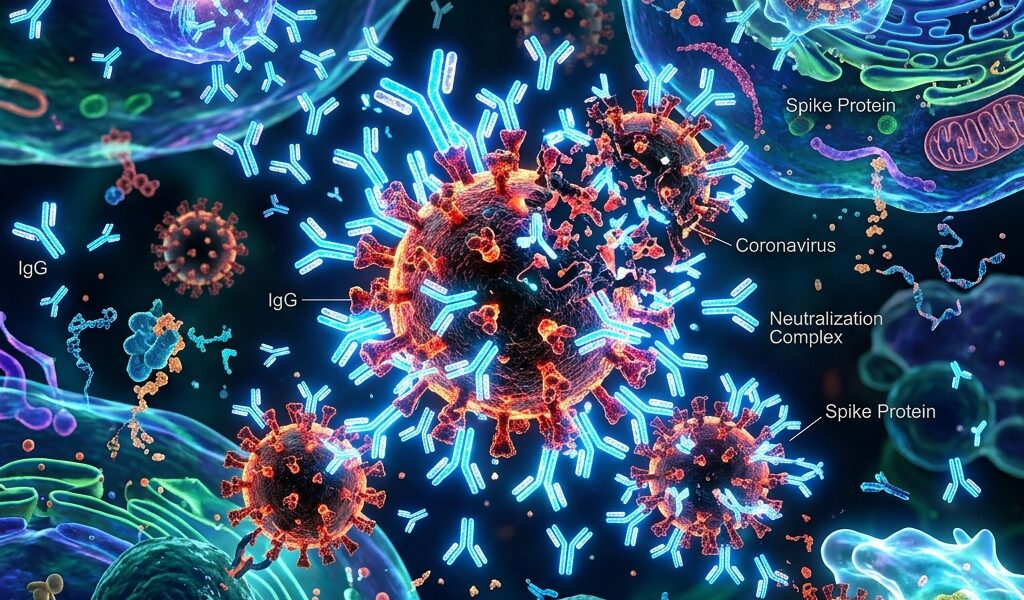
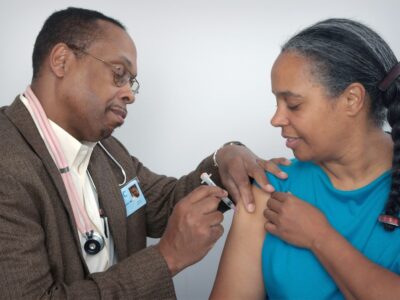
Vaccination is the ultimate seasonal disease prevention tool. Yet, a review in the American Journal of Kidney Diseases found chronic kidney disease patients consistently miss vaccinations. Their weakened immune systems require adjusted doses, not skipped vaccines. Adult influenza vaccination rates in India remain below 5 percent. This creates a massive pool of preventable hospitalizations.
For infants, the data is undeniable. The Lancet RSV study showed newborn immunization significantly outperformed maternal vaccination alone. This evidence currently shapes global WHO guidance.
Strengthening Your Immune System Naturally
Sleep is non-negotiable infrastructure. Sleeping fewer than six hours suppresses natural killer cell activity by 70 percent. These cells destroy infected cells early. Chronic sleep restriction cripples this first-response system.
Moderate physical activity increases circulating immune cells. However, prolonged high-intensity training actually suppresses immune function. Vitamin D status is also vital. Up to 90 percent of Indians are vitamin D deficient. This deficiency directly increases susceptibility to respiratory infections. Correcting it requires weeks of consistent supplementation.
Finally, chronic stress suppresses immunity biochemically. Sustained cortisol elevation blunts vaccine antibody responses. Managing stress through rest and connection is measurably protective.
Children under five and adults over 65 carry the highest burden. Preventive strategies work best before symptoms appear. Review your vaccination status immediately. Consult your doctor if chronic conditions require schedule adjustments. Prevention reduces hospital admissions and saves lives. For more information, please see our Medical Disclaimer.
Sources
- The Lancet Child and Adolescent Health. Infant RSV study.
- American Journal of Kidney Diseases. Vaccination gap review.

Leave a Comment