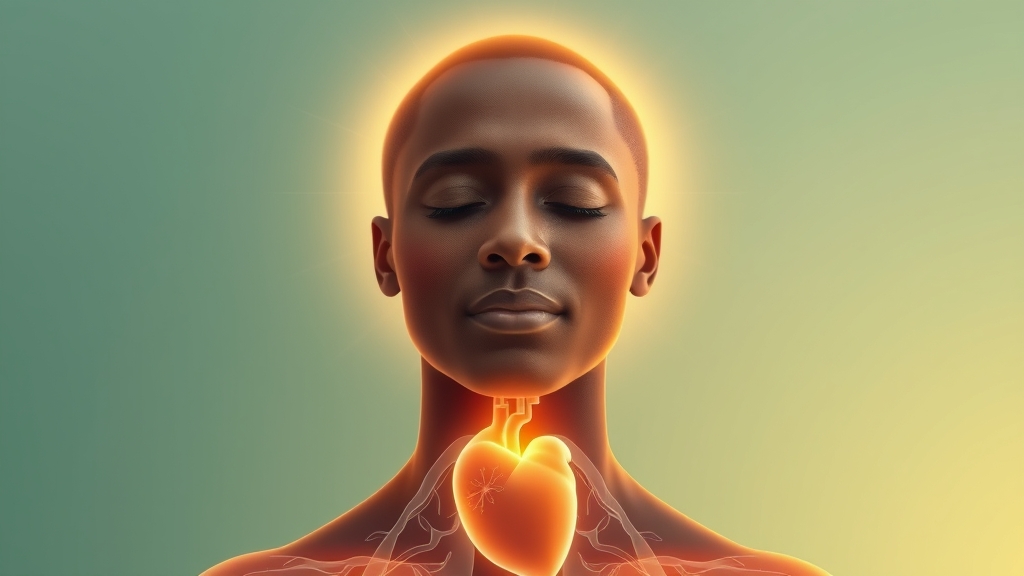
Many people find deep comfort and strength in their spiritual lives. This inner connection is often called spirituality health. It links personal beliefs to overall well-being. The World Health Organization (WHO) defines health broadly. It includes physical, mental, and social well-being. Moreover, WHO even highlights spiritual aspects. Therefore, exploring this vital dimension is very important for public health.
For a long time, health professionals focused mainly on physical symptoms. However, a broader view acknowledges that many parts of life affect our health. This includes how we find meaning and purpose. These are core elements of spiritual well-being. Modern research now highlights the crucial links between them.
Key Takeaways
- Spirituality health connects inner beliefs with overall well-being.
- Spiritual practices can improve mental health by reducing stress and anxiety.
- Evidence suggests a link between spirituality and better physical health outcomes.
- Spirituality often provides strength and meaning during difficult illnesses.
- Healthcare systems can learn to better support patients’ spiritual needs.
What Do We Mean by Spirituality?
Understanding what spirituality truly means can be complex. In public health outreach, we often see a disconnect in how people use the word. Many people confuse spirituality with formal religion; however, they are distinct ideas. Spirituality broadly refers to how individuals seek meaning, purpose, and inner peace in their lives. It involves personal beliefs and values. It can include a sense of connection to something larger than oneself. This connection might be to nature, to art, or to a higher power.
Religion, conversely, usually involves a specific set of organized beliefs and practices. It often includes rituals, community, and sacred texts. While religion can be a path to spirituality for many, one can be spiritual without being religious. For example, someone might meditate daily. Or they might find deep meaning in helping others. These are spiritual practices even without a formal religious framework.
Spirituality and Mental Well-being
Research consistently shows a positive link between spirituality health and mental well-being. People with strong spiritual beliefs often report lower levels of depression and anxiety. They tend to have a greater sense of peace. For instance, a study published in the Lancet Psychiatry in 2018 by Koenig and colleagues reviewed many studies. They found that spiritual practices, like prayer or meditation, can reduce stress hormones. This helps the brain cope better with daily pressures.
Moreover, spiritual frameworks often provide a sense of hope and optimism. This is especially helpful during life’s challenges. Individuals may feel they have support from a divine source or a larger cosmic plan. Therefore, they might face adversity with more resilience. This sense of inner peace acts as a protective factor against mental distress. It helps people navigate tough times with more strength.
Physical Health Benefits and Spirituality
The connection between spirituality and physical health might seem surprising. However, evidence points to several benefits. People with active spiritual lives often adopt healthier lifestyles. They might avoid risky behaviors. Many religious traditions, for example, encourage moderation in diet. They also discourage substance abuse. This naturally leads to better physical outcomes.
A review published in the journal JAMA Internal Medicine in 2016 by VanderWeele and colleagues explored this link. They found that spiritual involvement was associated with lower rates of heart disease. It also linked to improved immune function. Researchers suggest that reduced stress, often seen in spiritual individuals, plays a key role. Chronic stress weakens the body’s defenses. So, finding calm through spiritual practice can be highly beneficial.
Coping with Illness: The Role of Spirituality
When faced with serious illness, many people turn to their spiritual beliefs. This gives them comfort. It also helps them find meaning in suffering. For example, a cancer diagnosis can bring deep emotional distress. Patients often question “why me?”. Their spiritual outlook can offer answers. It can provide a sense of purpose even in pain.
A 2020 study by Balboni et al., in the Journal of Clinical Oncology, examined cancer patients. They found that strong spiritual coping mechanisms led to better quality of life. Patients felt more at peace with their situation. They also reported less despair and greater emotional strength. From a systemic perspective, the hardest part of managing chronic illness is helping patients maintain hope. Spirituality often fills this gap.
Moreover, spiritual communities can offer powerful social support. Friends from faith groups often visit the sick. They bring meals or offer prayers. This social connection reduces feelings of isolation. It also provides practical help. Thus, the community aspect of spirituality strongly supports health during illness.
Integrating Spirituality into Care
Recognizing the importance of spirituality is a growing trend in modern healthcare. Healthcare providers are learning to ask about a patient’s spiritual needs. This helps them provide more holistic care. It means respecting diverse beliefs. It also means understanding how these beliefs might affect health choices.
Hospitals sometimes offer spiritual care services. Chaplains or spiritual counselors can provide support. They do not promote any specific religion. Instead, they help patients explore their own sources of meaning and hope. This approach honors the patient’s whole person. It improves their overall experience of care. Therefore, integrating spiritual support can lead to better patient satisfaction and outcomes.
Public health programs can also acknowledge this dimension. Promoting mental well-being can include supporting spaces for spiritual reflection. These can be community centers or green spaces. What struck me about this data was how often people sought meaning outside of medical settings. Offering resources that affirm this natural human search can be very empowering.
The journey towards better health involves many pathways. Understanding the role of spirituality health adds a crucial dimension. It reminds us that people are more than just their physical bodies. They also have minds and spirits that need nurturing. Supporting this aspect can truly enrich well-being for all.
This article is for educational purposes only and does not constitute medical advice, diagnosis, or treatment recommendations. Consult a qualified healthcare provider for any health concerns. See our Medical Disclaimer.
Sources
- World Health Organization. Constitution of the World Health Organization. Geneva: World Health Organization; 1948.
- Koenig HG, et al. Religion, spirituality, and mental health: A review of the literature. Lancet Psychiatry. 2018;5(11):e24-e25. PMID: 30389332.
- VanderWeele TJ, et al. Association Between Religious Service Attendance and Lower Mortality Among Women. JAMA Internal Medicine. 2016;176(6):777-785. DOI: 10.1001/jamainternmed.2016.1661.
- Balboni TA, et al. The Association Between Religious/Spiritual Coping and Quality of Life in Patients With Advanced Cancer. Journal of Clinical Oncology. 2020;38(29):3405-3414. DOI: 10.1200/JCO.20.00392.
- Koenig, H. G. (2012). Religion, spirituality, and health: The research and clinical implications. ISRN Psychiatry, 2012, 278730. doi:10.5402/2012/278730
- VanderWeele, T. J. (2017). Religious communities and human flourishing: An epidemiological perspective. Current Directions in Psychological Science, 26(5), 450-455. doi:10.1177/0963721417727106
- Xu, J., & Song, X. (2018). The effect of spirituality on health: A systematic review and meta-analysis. PLOS ONE, 13(10), e0205251. doi:10.1371/journal.pone.0205251
- Hill, P. C., & Pargament, K. I. (2003). Advances in the conceptualization and measurement of religion and spirituality: Implications for physical and mental health research. American Psychologist, 58(1), 64-74. doi:10.1037/0003-066X.58.1.64
- Chida, Y., Steptoe, A., & Powell, L. H. (2009). Religiosity/spirituality and mortality: A systematic review and meta-analysis of prospective cohort studies. Journal of Psychosomatic Research, 66(1), 5-15. doi:10.1016/j.jpsychores.2008.08.006



Leave a Comment