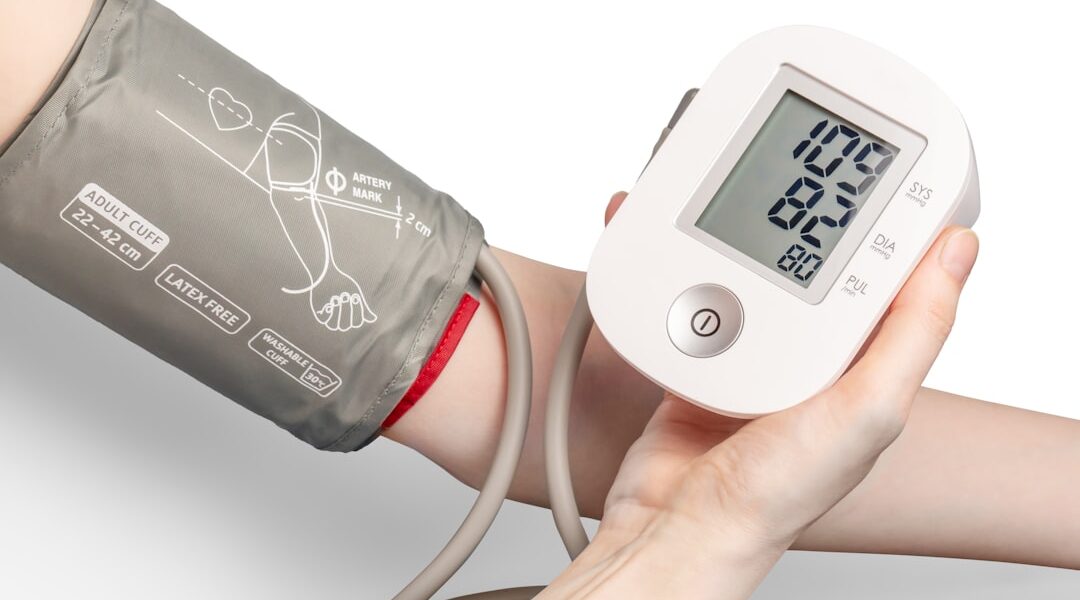
High blood pressure — hypertension — is called the “silent killer” for good reason. It causes no symptoms for years, even decades, while quietly damaging the heart, kidneys, brain, and blood vessels. By the time most people discover they have it, damage has already begun.
In India, approximately 220 million adults have hypertension — nearly one in three adults. Yet awareness, treatment, and control rates remain dismally low. The India Hypertension Control Initiative estimates that only 37% of people with hypertension are aware of their condition, only 30% are on treatment, and only 15% have their blood pressure controlled.
What Is Hypertension?
Blood pressure is measured as two numbers: systolic (pressure when the heart beats) over diastolic (pressure between beats). Normal blood pressure is below 120/80 mmHg. Hypertension is defined as sustained readings of 130/80 mmHg or above (by AHA/ACC guidelines) or 140/90 mmHg (by older WHO/ISH guidelines used in India).
Why Hypertension Is Rising in India
- Rising salt intake — Indians consume 8–11g of salt daily, more than double the WHO recommended 5g
- Increasing obesity and physical inactivity
- Chronic stress and poor sleep
- Tobacco and alcohol use
- Genetic predisposition in South Asians
- Rapid urbanisation and dietary shifts
Consequences: What Uncontrolled Hypertension Does to Your Body
- Stroke — hypertension is the single biggest risk factor for stroke in India
- Heart attack and heart failure
- Chronic kidney disease — leading to dialysis dependency
- Vision loss through hypertensive retinopathy
- Cognitive decline and vascular dementia
- Aortic aneurysm — a life-threatening bulge in the aorta
The ABCDE of Managing Hypertension
- A — Awareness: Know your numbers. Get your blood pressure checked at least once a year after age 30.
- B — Behaviour change: Reduce salt, increase potassium (fruits, vegetables), exercise 150 minutes/week, quit smoking, limit alcohol.
- C — Control with medication: Lifestyle alone is often insufficient. Medication (amlodipine, enalapril, losartan, hydrochlorothiazide) is safe, effective, and often lifelong.
- D — Device: Own a home blood pressure monitor. Self-monitoring improves control.
- E — Engage regularly: Follow up with your doctor every 3 months once controlled.
⚠️ Medical Disclaimer: This article is for educational purposes only. Never stop or change blood pressure medication without consulting your doctor.


Leave a Comment