Ask a woman in rural India if she feels tired. The answer is almost always yes. But the tiredness she describes — bone-deep fatigue, breathlessness climbing stairs, difficulty concentrating, pallor, palpitations — is not simply the result of hard work. For millions of Indian women, it is the lived experience of iron deficiency anaemia (IDA), the most prevalent nutritional deficiency in the country.
According to NFHS-5 (2019–21), 57% of women aged 15–49 years in India are anaemic. Among pregnant women, the figure is 52%. Among adolescent girls, it is 59%. These are not statistics. These are mothers, daughters, students, and workers whose potential is being silently diminished.
Why Iron Deficiency Is So Common in India
India’s food culture, while rich and diverse, has several structural vulnerabilities when it comes to iron nutrition. The predominant diet is plant-based — and plant-based iron (non-haem iron) is absorbed at only 2–20% efficiency, compared to 15–35% for haem iron from meat. Phytates in cereals and legumes, and tannins in tea and coffee, further inhibit absorption.
Add to this the reality that Indian women face repeated, heavy menstrual blood loss; multiple pregnancies without adequate nutritional recovery; and cultural norms that prioritise feeding others over themselves.
The Consequences Go Far Beyond Fatigue
- Cognitive impairment — iron is essential for brain neurotransmitter function; IDA impairs memory, attention, and learning
- Poor pregnancy outcomes — IDA is associated with preterm birth, low birth weight, and maternal mortality
- Reduced immunity — iron-deficient individuals are more susceptible to infections
- Intergenerational impact — anaemic mothers have anaemic infants, perpetuating the cycle
- Reduced work productivity — estimated to cost India 1–2% of GDP annually
Diagnosis and Treatment
A simple haemoglobin test (Hb < 12 g/dL in non-pregnant women, < 11 g/dL in pregnant women) confirms anaemia. Serum ferritin below 15 µg/L confirms iron deficiency. Treatment involves oral iron supplementation (ferrous sulphate 60 mg elemental iron daily) for at least 3 months, with reassessment.
Food-Based Strategies: What to Eat
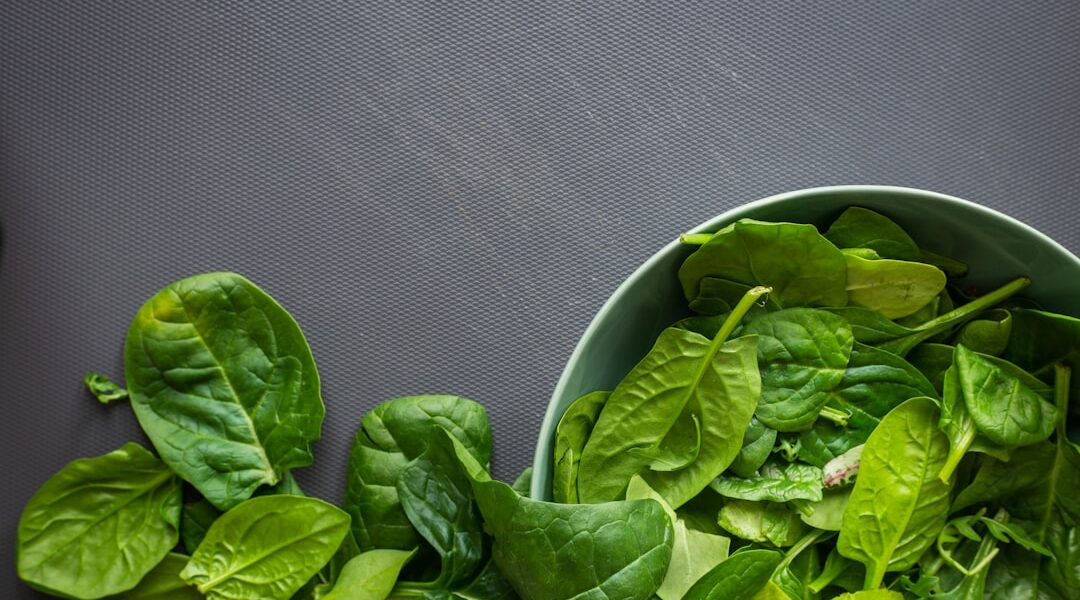
- Iron-rich foods: green leafy vegetables (palak, methi, sarson), legumes (rajma, chana, masoor dal), sesame seeds, jaggery, dried fruits
- Enhance absorption: eat iron-rich foods with vitamin C sources (lemon, amla, tomato)
- Avoid inhibitors: do not drink tea or coffee with meals
- Cook in iron vessels: traditional iron kadhai significantly increases iron content of food
India’s Anaemia Mukt Bharat programme aims to reduce anaemia prevalence by 3 percentage points annually. But programme success depends on community awareness — which starts with every woman knowing her haemoglobin level and understanding what it means.
⚠️ Medical Disclaimer: This article is for educational purposes only. Please consult a healthcare professional before starting any supplementation.
Leave a Comment