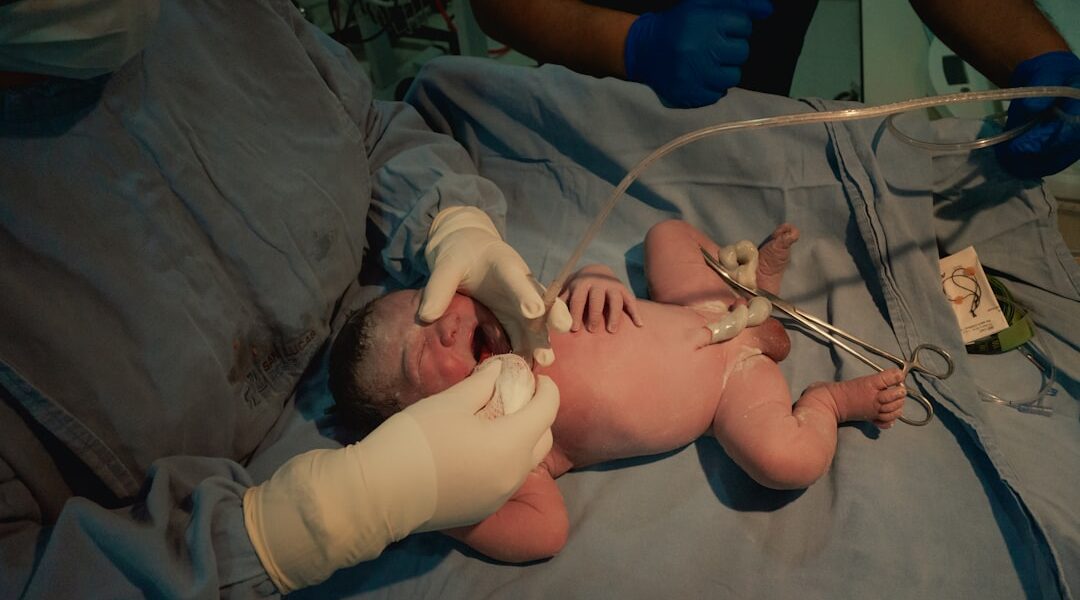
In 2023, India recorded approximately 5.4 lakh neonatal deaths — deaths of babies in the first 28 days of life. This represents nearly 23% of all neonatal deaths worldwide, in a country that is home to 18% of the global population. Despite remarkable progress over the past two decades — India’s neonatal mortality rate (NMR) has fallen from 44 per 1,000 live births in 2000 to 24 in 2022 — the pace is insufficient to meet the Sustainable Development Goal target of NMR ≤12 by 2030.
Behind every statistic is a family that has lost a baby in the first weeks of life — often to conditions that are entirely preventable with the right care at the right time. This article explains why neonatal mortality persists and what evidence tells us must change.
The Leading Causes of Neonatal Death
- Prematurity and low birth weight (35%): Babies born before 37 weeks or weighing less than 2.5 kg are at highest risk of respiratory distress, hypothermia, infection, and feeding difficulties.
- Birth asphyxia (20%): Failure to breathe adequately at birth due to complications during labour. Skilled attendance at delivery and immediate resuscitation are the key interventions.
- Neonatal infections/sepsis (15%): Bacterial infections — often preventable through clean delivery practices, hand hygiene, and appropriate cord care.
- Congenital anomalies (9%): Structural defects present from birth, some preventable through folic acid supplementation and screening.
The Critical Role of Quality Antenatal Care
Most neonatal deaths are rooted in the antenatal period. A mother who is anaemic, poorly nourished, hypertensive, or infected during pregnancy faces dramatically elevated risks of poor neonatal outcomes. The PMSMA (Pradhan Mantri Surakshit Matritva Abhiyan) and LaQshya programmes aim to address these risks through quality ANC and labour room care. Evidence from districts that have implemented these programmes rigorously shows significant NMR reductions.
Proven Interventions That Save Newborn Lives
- Kangaroo Mother Care (KMC): Skin-to-skin contact for low birth weight babies reduces mortality by 40% and hospital stays by 30%
- Newborn resuscitation (NRP): Bag-and-mask ventilation by skilled attendants at birth prevents asphyxia deaths
- Early and exclusive breastfeeding: Prevents 13% of neonatal deaths — colostrum provides irreplaceable immune protection
- Chlorhexidine cord care: 7.3% chlorhexidine application to the umbilical cord reduces sepsis risk by 23%
- Antenatal corticosteroids: For anticipated preterm delivery — matures fetal lungs and reduces respiratory distress syndrome
- Antibiotics for neonatal sepsis: Early recognition and treatment with ampicillin + gentamicin protocol
What Accountability Looks Like
Achieving single-digit NMR requires not just clinical interventions but system-level accountability: facility-based death reviews, monthly neonatal audits, real-time data dashboards at district level, and frontline worker empowerment. Districts that have implemented structured accountability frameworks — with monthly review meetings, scorecard tracking, and consequence management — show consistently faster NMR decline.
Every neonatal death in a facility should trigger a review. Not to assign blame — but to identify the gap in care that can be closed before the next baby arrives.
⚠️ Medical Disclaimer: This article is for public health education purposes. Clinical management of newborns should follow established national guidelines and be performed by trained healthcare professionals.



Leave a Comment