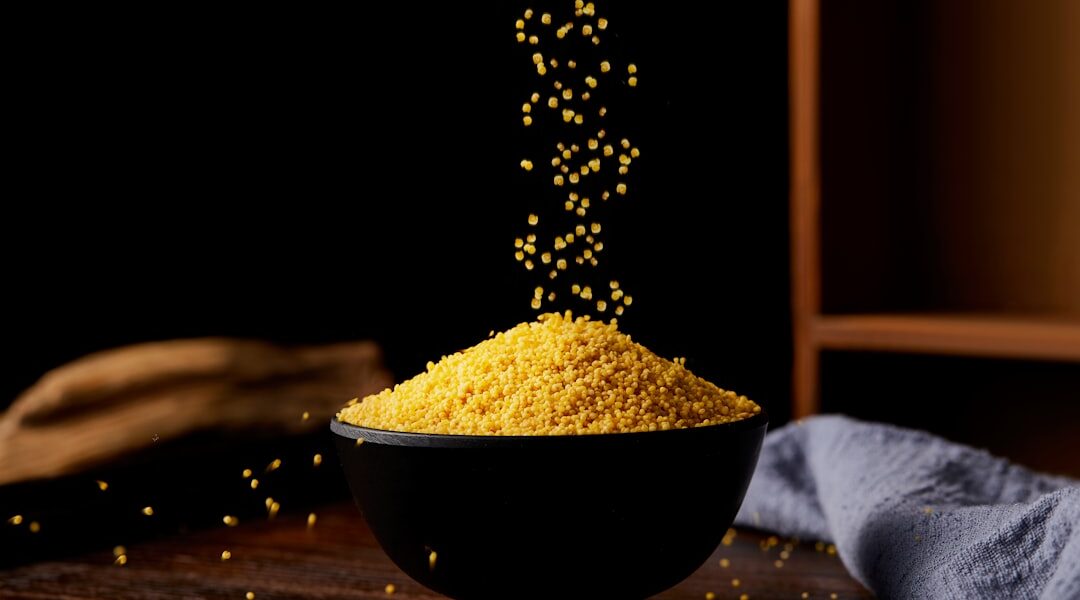
Before the Green Revolution transformed Indian agriculture in the 1960s, millets — bajra, jowar, ragi, foxtail, little millet, kodo — were the staple grains of the subcontinent. They fed civilisations for millennia, thriving in poor soils with minimal water. Then came the subsidised wheat and rice era, and millets retreated to the margins.
Today, millets are staging a remarkable comeback — and for good reason. The United Nations declared 2023 the International Year of Millets, and nutritional science is confirming what traditional food cultures always knew: millets are extraordinarily nutritious, climate-resilient, and well-suited to Indian dietary needs.
The Nutritional Profile: Why Millets Are Exceptional
- Finger millet (Ragi): Highest calcium content of any cereal grain — 344 mg per 100g (more than milk per calorie). Essential for bone health and prevention of osteoporosis.
- Pearl millet (Bajra): Rich in iron (8mg/100g), zinc, and B vitamins. Excellent for anaemia prevention — particularly relevant for Indian women.
- Sorghum (Jowar): High in antioxidants and phytochemicals. Gluten-free and ideal for those with wheat intolerance.
- Foxtail millet (Kangni): Low glycaemic index — helps manage blood sugar, making it excellent for people with diabetes or prediabetes.
Health Benefits Supported by Evidence
- Blood sugar management: Millets have a glycaemic index of 54–68 compared to 72 for white rice. Regular consumption reduces postprandial glucose spikes.
- Anaemia reduction: Pearl millet supplementation trials in India show significant improvements in haemoglobin levels in women and children.
- Digestive health: High dietary fibre content promotes healthy gut microbiome, reduces constipation, and lowers colorectal cancer risk.
- Heart health: Soluble fibre in millets lowers LDL cholesterol. Magnesium content supports healthy blood pressure.
- Weight management: Higher satiety index than rice — people feel full longer with fewer calories.
Practical Ways to Incorporate Millets Daily
- Replace one meal of rice with cooked ragi, jowar, or foxtail millet
- Use ragi flour in rotis, dosas, or idlis (replace 30–50% of wheat/rice flour)
- Cook bajra khichdi or bajra roti in winter months
- Add cooked millets to salads and soups
- Use millet flour for baking — cookies, bread, muffins
India’s PM POSHAN (mid-day meal) programme now includes millets in school meals across multiple states. This is both a nutrition intervention and a cultural reconnection with foods that sustained Indian civilisations for thousands of years.
⚠️ Medical Disclaimer: Dietary information in this article is for general educational purposes. Consult a registered dietitian for personalised nutritional guidance.
Leave a Comment