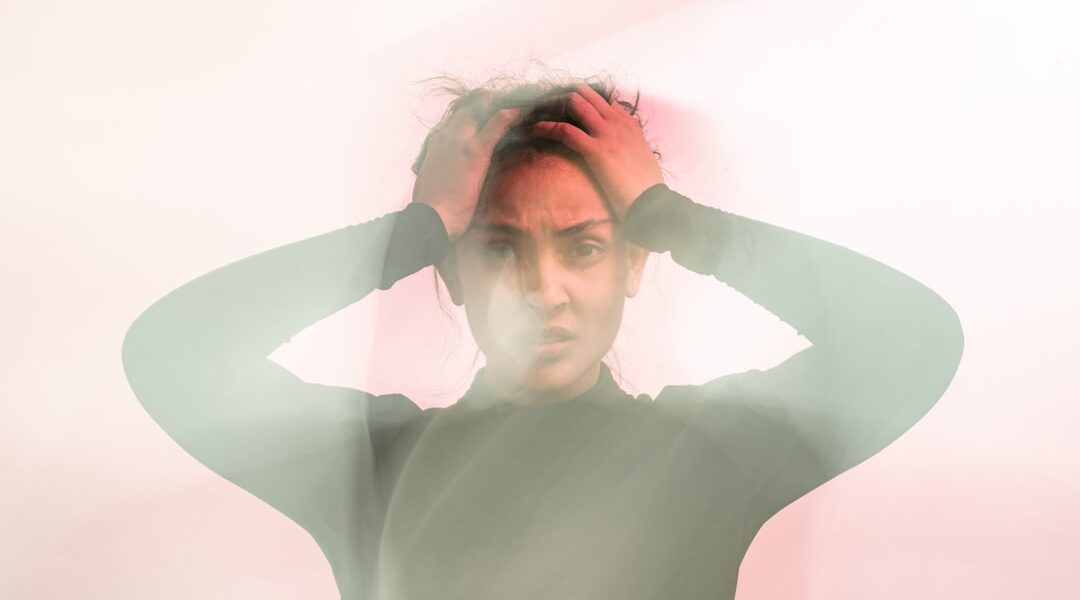
Everyone feels anxious sometimes — before an exam, a job interview, or a difficult conversation. This is normal and adaptive. But for millions of people in India, anxiety is not a passing feeling. It is a persistent, overwhelming state that interferes with daily life, relationships, work, and physical health — and it has a name: anxiety disorder.
The WHO estimates that anxiety disorders affect approximately 3.6% of the global population — about 280 million people. In India, the National Mental Health Survey (2015–16) found that nearly 22 million Indians suffer from anxiety disorders. Yet less than 15% ever receive treatment.
Types of Anxiety Disorders
- Generalised Anxiety Disorder (GAD): Persistent, excessive worry about everyday matters — health, money, family, work — that is difficult to control
- Panic Disorder: Recurrent, unexpected panic attacks — sudden surges of intense fear with physical symptoms (racing heart, chest pain, shortness of breath)
- Social Anxiety Disorder: Intense fear of social situations and being judged or humiliated by others
- Specific Phobias: Intense, irrational fear of specific objects or situations
- OCD and Health Anxiety: Though classified separately, these often overlap with anxiety disorders
Recognising Anxiety: Physical and Emotional Signs
In India, anxiety frequently presents with physical symptoms — leading people to visit cardiologists or gastroenterologists rather than mental health professionals. Common signs include:
- Palpitations, rapid heart rate
- Chest tightness or pain
- Difficulty breathing, feeling of suffocation
- Excessive sweating, trembling
- Digestive problems — nausea, diarrhoea, IBS
- Persistent muscle tension and headaches
- Sleep disturbances — difficulty falling or staying asleep
- Irritability, difficulty concentrating
Evidence-Based Treatment Options
Cognitive Behavioural Therapy (CBT) is the gold standard — it helps identify and change the thought patterns that fuel anxiety. Multiple studies show it is as effective as medication, with longer-lasting results.
Medication — SSRIs (sertraline, escitalopram) and SNRIs are first-line pharmacological options. They are safe, non-addictive, and typically take 4–6 weeks to show full effect. Benzodiazepines (alprazolam, clonazepam) are commonly overused in India — they provide short-term relief but carry addiction risk and should not be used as first-line treatment.
Self-Help Strategies That Actually Work
- Diaphragmatic breathing: 4 seconds inhale, 4 hold, 6 exhale — activates the parasympathetic nervous system
- Regular exercise: as effective as medication for mild-moderate anxiety
- Sleep hygiene: anxiety and sleep deprivation form a vicious cycle — breaking it helps both
- Limit caffeine and news consumption
- Social connection: isolation amplifies anxiety
iCall (9152987821) and Vandrevala Foundation (1860-2662-345) offer free mental health helplines in India. NIMHANS in Bengaluru and LGB Regional Institute of Mental Health offer specialist care. You do not have to manage this alone.
⚠️ Medical Disclaimer: This article is for educational purposes only and does not replace professional mental health assessment or treatment.


Leave a Comment