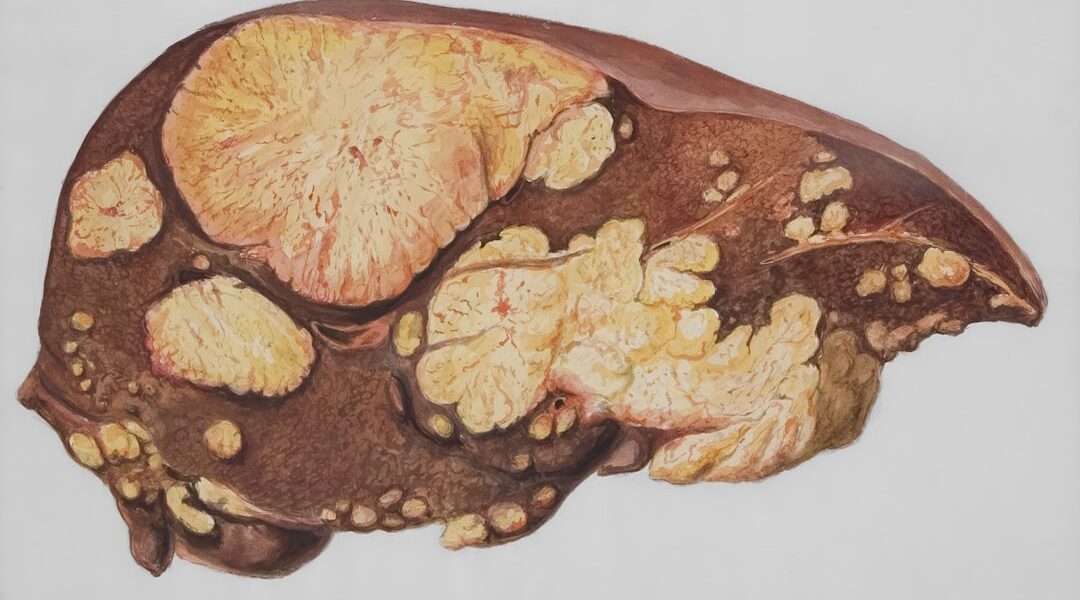
Many people know about liver health. However, many myths still surround a common condition:
Fatty Liver Disease. This condition affects millions globally. Understanding the facts is very important for public health. Therefore, we must bust common myths.
In my field experience, I often see patients surprised by a fatty liver diagnosis. They believe only heavy drinkers are at risk. This misunderstanding delays seeking help. Moreover, the World Health Organization (WHO) has highlighted the rising global burden of liver diseases. This rise includes non-alcoholic
Fatty Liver Disease
. Therefore, it is crucial to separate fact from fiction. Let’s explore some key truths.
Key Takeaways
- Fatty liver is not just for heavy drinkers; non-alcoholic fatty liver is very common.
- The condition often has no symptoms until it is advanced.
- Lifestyle changes can reverse fatty liver for many people.
- Even thin individuals can develop fatty liver due to various factors.
- Fatty liver can progress to serious conditions like cirrhosis and cancer.
Understanding Fatty Liver Disease
Your liver performs over 500 vital functions. It helps process food and filters toxins. Sometimes, too much fat builds up in liver cells. This is called fatty liver. This accumulation can prevent your liver from working properly. Therefore, knowing about
Fatty Liver Disease
is very important for everyone.
There are two main types. Alcohol-related fatty liver occurs from heavy alcohol use. Non-alcoholic fatty liver disease (NAFLD) is the more common type. NAFLD happens even without heavy drinking. Both types can lead to serious liver damage if left unmanaged. Thus, early awareness matters greatly.
Myth 1: Only Heavy Drinkers Get Fatty Liver Disease
This is a widespread misconception. However, it is far from the truth. Non-alcoholic fatty liver disease (NAFLD) is now the most common liver condition worldwide. It affects approximately 25% of the global population. This type develops in people who drink little or no alcohol.
Research published in The Lancet in 2021 indicated NAFLD’s rising prevalence. This study showed a strong link to obesity, type 2 diabetes, and metabolic syndrome. Therefore, lifestyle choices beyond alcohol intake play a huge role. You can get fatty liver without ever touching a drink.
Myth 2: Fatty Liver Disease Always Shows Symptoms
Many people assume diseases always have obvious symptoms. This is not true for fatty liver. Often, fatty liver disease is silent. It progresses without noticeable signs in its early stages. This makes early detection difficult.
Doctors sometimes find fatty liver during tests for other conditions. For example, a routine ultrasound may show fat deposits. Only in later stages might symptoms appear. These can include tiredness, weakness, or dull pain in the upper right abdomen. By then, the liver damage might be more advanced. Therefore, regular check-ups are key.
Myth 3: You Cannot Reverse Fatty Liver Disease
Some people believe a fatty liver diagnosis is a permanent sentence. However, this is often not the case. For many, lifestyle changes can significantly improve or even reverse fatty liver. This offers a great deal of hope.
Weight loss is a primary strategy. Losing just 5-10% of body weight can reduce liver fat. Regular physical activity also helps. Furthermore, a balanced diet, low in processed foods and sugary drinks, makes a difference. Studies published by the American Association for the Study of Liver Diseases (AASLD) consistently show these benefits. Therefore, taking proactive steps is very effective.
Myth 4: Thin People Do Not Get Fatty Liver Disease
People often associate fatty liver with obesity. While obesity is a major risk factor, thin people can also develop fatty liver. This condition is sometimes called ‘lean NAFLD’. It challenges common assumptions about who is at risk.
Lean NAFLD can affect individuals with a normal body mass index (BMI). Genetic factors can play a role. Also, unhealthy eating patterns, even without weight gain, contribute. For instance, consuming high amounts of sugar can cause fat accumulation. Therefore, maintaining a healthy weight does not guarantee liver protection.
Myth 5: Fatty Liver Disease is Harmless
Ignoring fatty liver can have serious consequences. Many think it is a mild condition. However, it can progress to more severe forms of liver disease. This progression is a major concern for public health experts.
A more serious form is non-alcoholic steatohepatitis (NASH). NASH involves inflammation and liver cell damage. It can lead to fibrosis, cirrhosis, and even liver cancer. Cirrhosis is irreversible scarring of the liver. It impairs liver function severely. The Global Burden of Disease Study 2019 estimated liver cancer as a leading cause of cancer deaths worldwide. Many cases link back to chronic liver disease. Therefore, early intervention is critical to prevent severe outcomes.
Protecting Your Liver Health
Your liver is a resilient organ. However, it needs proper care. Understanding the truth about fatty liver is your first step. It empowers you to make informed decisions about your health. Many risk factors are modifiable.
Focus on a healthy diet with plenty of fruits and vegetables. Aim for regular exercise. Limit sugary drinks and processed foods. If you have risk factors like diabetes or obesity, talk to your doctor. They can assess your liver health. Public health initiatives also focus on raising awareness. Moreover, regular medical check-ups can help monitor your liver status. Therefore, informed choices protect your liver.
The journey to a healthy liver begins with knowledge. Debunking these myths helps us all take better care of this vital organ. We can improve global liver health by spreading accurate information. This shift in understanding creates healthier communities.
This article is for educational purposes only and does not constitute medical advice, diagnosis, or treatment recommendations. Consult a qualified healthcare provider for any health concerns. See our Medical Disclaimer.
Sources and References
- Cotter, T. G., & Schlaeger, T. (2021). The global epidemic of nonalcoholic fatty liver disease. The Lancet, 398(10303), 856–861. PMID: 34488349.
- Chalasani, N., Younossi, Z., Lavine, A. E., Charlton, A., Cusi, M., Rinella, G., … & Sanyal, A. J. (2018). The diagnosis and management of nonalcoholic fatty liver disease: Practice guidance by the American Association for the Study of Liver Diseases (AASLD). Hepatology, 67(1), 328–357. PMID: 28247928.
- Koehler, M. K., Adike, A., & Koteish, A. A. (2022). Nonalcoholic Fatty Liver Disease (NAFLD): A Comprehensive Review. Current Gastroenterology Reports, 24(7), 167–176. PMID: 35848245.
- WHO. (2023). Liver disease. World Health Organization. Retrieved from https://www.who.int/news-room/fact-sheets/detail/liver-disease
- Global Burden of Disease Liver Cancer Collaborators. (2019). The global, regional, and national burden of liver cancer and its risk factors in 195 countries and territories, 1990–2017: A systematic analysis for the Global Burden of Disease Study 2017. The Lancet Gastroenterology & Hepatology, 4(8), 585–597. PMID: 31278148.



Leave a Comment