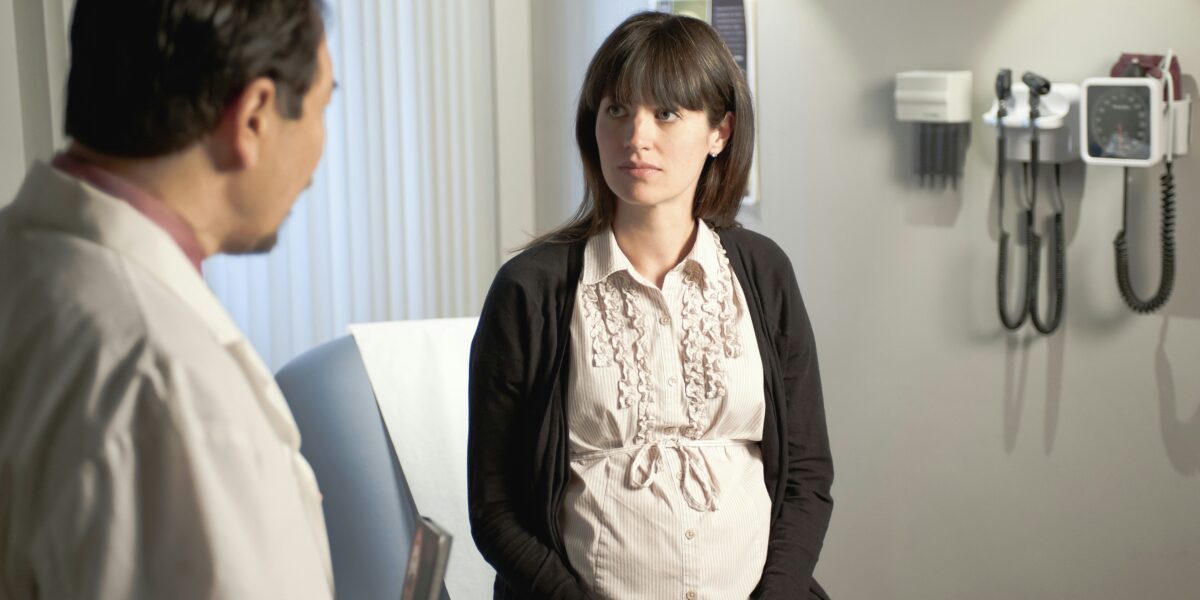
Preeclampsia is one of the most serious complications of pregnancy, yet it remains widely misunderstood and underdiagnosed — particularly in low- and middle-income countries like India. It is estimated to affect between 2–8% of all pregnancies globally, contributing to approximately 70,000 maternal deaths and 500,000 perinatal deaths every year.
Despite these staggering numbers, many women do not know the warning signs, and many health systems are not equipped to detect it in time. This article aims to change that — with clear, evidence-based information that every pregnant woman and her family should have.
What Is Preeclampsia?
Preeclampsia is a pregnancy complication characterised by high blood pressure (hypertension) and signs of damage to organs — most often the liver and kidneys — after the 20th week of pregnancy. It can also affect the brain, lungs, and the placenta itself.
Left untreated, preeclampsia can progress to eclampsia — a life-threatening condition involving seizures — or to HELLP syndrome, a severe form involving breakdown of red blood cells, elevated liver enzymes, and low platelet count. Both conditions can be fatal for the mother and baby.
Who Is at Risk?
While preeclampsia can affect any pregnant woman, certain factors increase the risk significantly:
- First pregnancy
- Previous history of preeclampsia
- Multiple pregnancy (twins, triplets)
- Pre-existing hypertension, diabetes, or kidney disease
- Obesity (BMI above 30)
- Age under 18 or over 35
- Family history of preeclampsia
- Anaemia during pregnancy
Warning Signs to Never Ignore
The hallmark signs include blood pressure readings of 140/90 mmHg or higher on two separate occasions, and protein in the urine (proteinuria). But other symptoms that warrant immediate attention include:
- Severe headaches that do not respond to paracetamol
- Visual disturbances — blurring, flashing lights, seeing spots
- Sudden swelling of face, hands, or feet
- Pain under the ribs on the right side
- Nausea or vomiting after mid-pregnancy
- Reduced fetal movement
Diagnosis and Treatment
Preeclampsia is diagnosed through blood pressure monitoring, urine tests, blood tests (liver enzymes, platelet count, creatinine), and fetal ultrasound. The only cure is delivery of the baby — but the timing must be carefully managed based on gestational age and severity.
Magnesium sulphate is the drug of choice to prevent seizures. Antihypertensive medications are used to control blood pressure. Corticosteroids may be given to mature fetal lungs if early delivery is anticipated.
Prevention: What Can Be Done
Low-dose aspirin (75–150 mg daily) started before 16 weeks of pregnancy has been shown to reduce the risk of preeclampsia in high-risk women by up to 62%. Calcium supplementation (1.5–2g/day) is recommended by WHO for women with low calcium intake — which includes most women in rural India.
Regular antenatal care visits are the single most important intervention. Early detection saves lives. If you are pregnant, ensure you attend every scheduled ANC visit and have your blood pressure checked each time.
⚠️ Medical Disclaimer: This article is for educational purposes only. Always consult a qualified healthcare provider for diagnosis and treatment decisions.

Leave a Comment